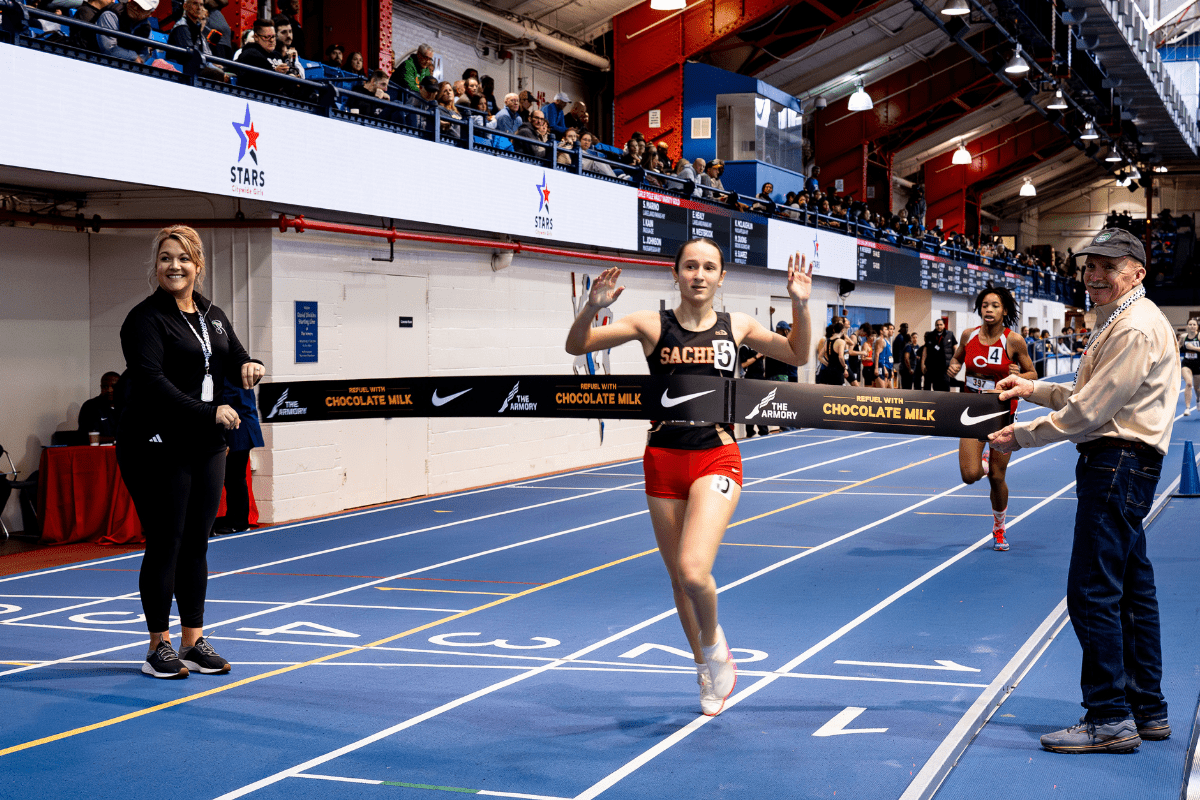
Now more than ever professional athletes understand that nutrition plays a big role in sports performance. In addition to the best sports nutrition resources and education available, athletes also have access to a “training table” that provides specific foods and fluids to support their daily activities and training.
What Is A Training Table?
It’s a performance-based dining center, or table, set up specifically to provide special meals to support the athletes’ hours of training and conditioning.
Training tables have been around for many years but have evolved significantly over time as each program strives to provide the best products, education and experience for their athletes.
Which Athletes Have Access To A Training Table?
Today, collegiate and professional athletes are accustomed to having meals supplied to them. Though they can look very different from one team to another, most have access to some sort of training table. However, not all high school athletes do. Providing food and beverages to athletes can get expensive, and most schools do not have the funding to do it.
As the competition level high school sports grows, so does the interest in providing these services to high school athletes. Here’s how to put together a training table built for the pros.
How To Set Up a Training Table For High School Athletes
The key to reaching athletes is meeting them in the moment and showing them how good nutrition can impact their performance — whether on the field, in the weight room, or during competition. Even with limited funds, this can be done at the high school level.
To get started, simply place a small refrigerator in the weight room, or a small cooler on the bus, and pack it with high-quality dairy products, like chocolate milk and Greek yogurt, to support after-exercise recovery.
These products not only taste great but offer carbohydrates for refueling energy and protein for rebuilding muscle. Chocolate milk also provides fluids and electrolytes like calcium, magnesium, potassium, and sodium for rehydration. In fact, with 24 grams of carbohydrate and eight grams of protein, eight ounces of chocolate milk has an ideal 3:1 ratio of carbohydrates to protein to help muscles recover from training, making it a cost-effective and safe alternative to high-priced recovery supplements and traditional recovery-based sports drinks.
Schools with more funding can take it a step further. Performance-based foods and educational components can be provided in the cafeteria, similar to what is seen at the collegiate level. This set-up resembles a buffet line, with educational signs emphasizing how the different food options build a performance plate.
Foods may be separated and placed in order on a buffet-line training table as follows:
- Carbohydrates: Fruits and Vegetables (Any)
- Carbohydrates: Grains and Starches (Rice, Quinoa, Couscous, Pasta, Potatoes, Beans, Chickpeas)
- Protein: Lean, Medium-Fat, and Plant-based options (Chicken, Fish/Seafood, Beef, Pork, Tofu)
- Fat: Plant-based options (Nuts, Seeds, Avocado or Guacamole, Olive Oil)
- Carbohydrates: Dairy (Milk, Chocolate Milk, Greek Yogurt, Cottage Cheese, String Cheese)
- Fluids: Water, Sparkling Water, 100% Juices
Organizing food in a way that encourages consumption of all the food groups, such as placing the vegetables first in line, teaches young athletes how to meal plan. For example, if vegetables are placed last in line, most students will skip over them as their plates are already filled up with starches, grains, and protein. Keep high-quality dairy products near the drinks at the end of the line to make them easier to grab and go at checkout.
Separating foods by category and organizing them in this manner help chefs and foodservice workers with menu planning, too. This offers variety to student-athletes and also encourages them to try new foods and expand their palates. Together, this adds up to a higher-quality diet that is well-balanced and provides optimal nutrients for better overall health and performance on and off the field.
Because the high school cafeteria is used by all students, be sure the education piece is relevant to both student-athletes and non-athletes. Instead of referring to nutrients, energy production and immune health, a sign, stating “Choose Fruits and Vegetables for More Energy on the Field and Less Time Missed from Illness,” provides all students with a better understanding of how nutrition can impact health and performance.
If you are a coach, parent, or otherwise involved with youth athletics, check out these additional sports nutrition resources too.