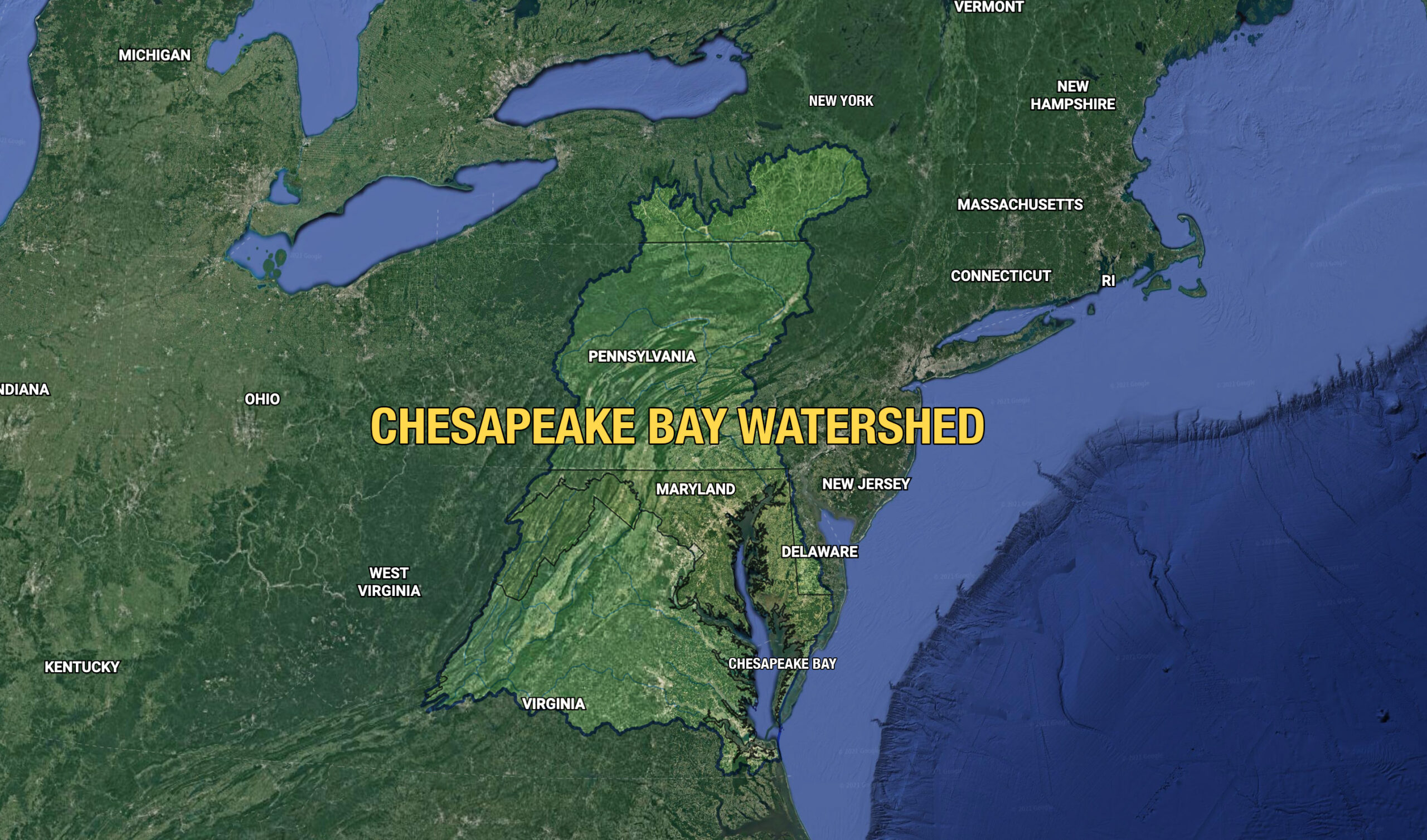
Across the Chesapeake Bay watershed, dairy farmers are shaping a future that honors the land, supports their families, and strengthens the communities they feed. This work is not happening alone. It’s powered by collaboration with a practical, people-centered approach that brings together Maola Local Dairies™, a cooperative of family-owned dairy farms, with two environmental organizations in the region, Alliance for the Chesapeake Bay and Sustainable Chesapeake.
These partnerships reflect a simple truth: caring for land and water is a shared responsibility, and real progress is made when everyone brings their strengths to the table. It’s not about perfection but about continuous improvement, one meaningful step at a time.
Partnerships Built on Trust, Knowledge, and Shared Purpose
For more than a century, Maola® has served as a farmer-owned cooperative made up of dairy farm families in the Northeast and Mid-Atlantic regions and beyond, working together to bring fresh local milk to the region. Many dairy farmers have been part of the cooperative for generations, forming deep relationships built on understanding and shared goals.
“We know the families, we know their farms, and we know their hopes for the future,” says Janae Klingler, director of animal care and sustainability at Maola. “Our role is to connect dairy farmers with resources that help them meet their goals and implement projects on the ground that really make a difference.”
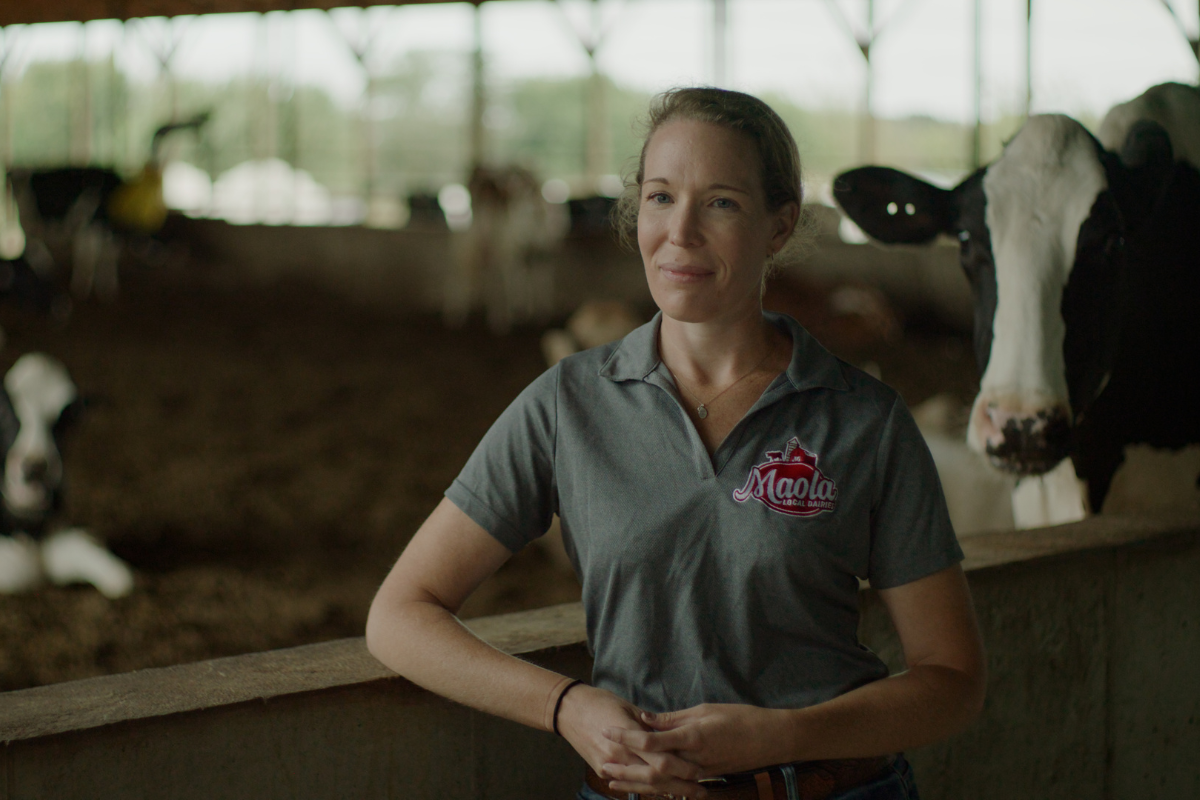
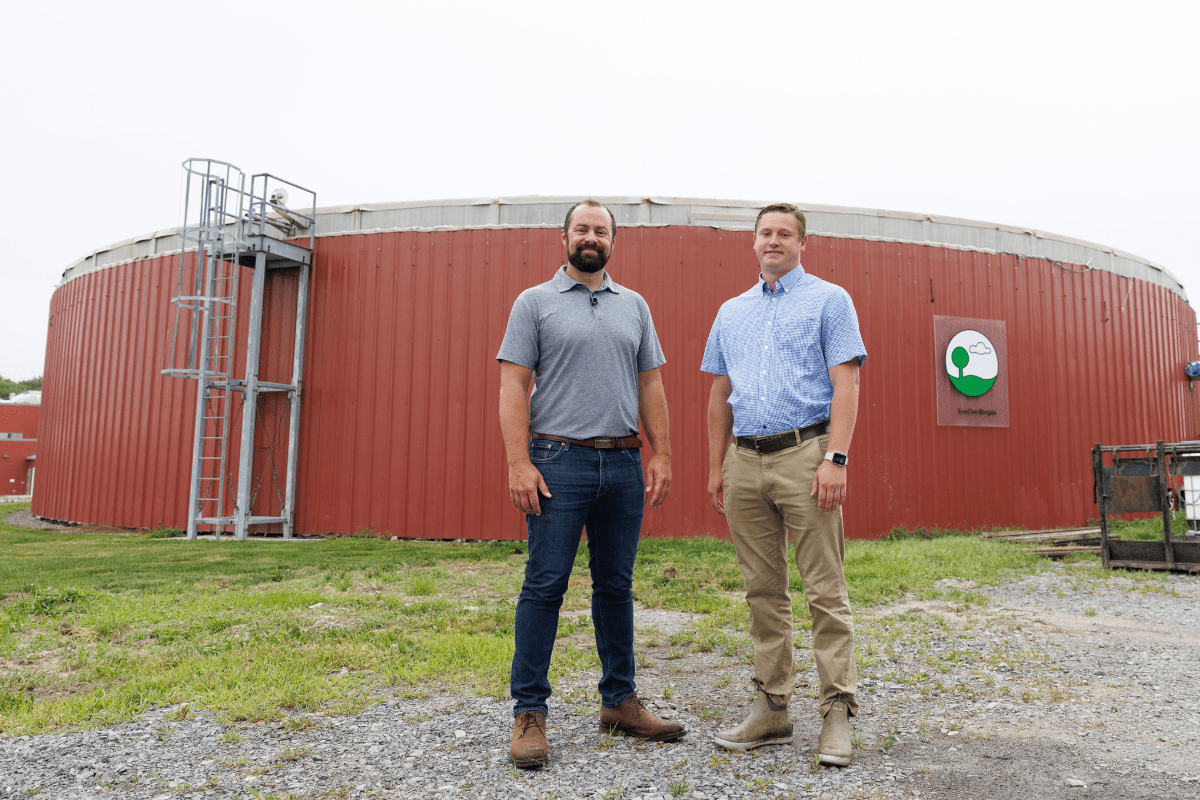
Janae Klingler of Maola helps connect dairy farmers with conservation partners and resources.
Those resources often take shape through collaboration with environmental partners who bring specialized expertise.
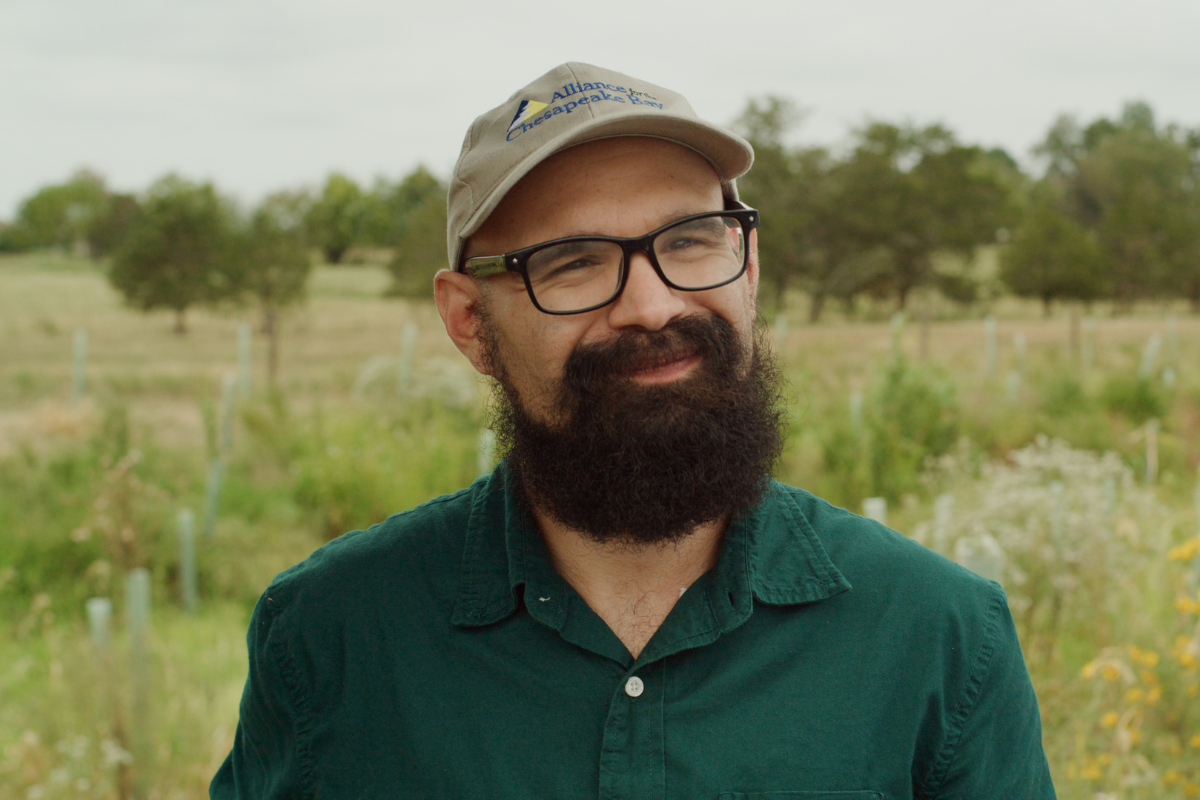
Christian Anderson of the Alliance for the Chesapeake Bay supports stream and land protection.
The Alliance for the Chesapeake Bay helps farmers implement conservation projects such as riparian buffers, which involve planting trees and other vegetation to form a natural barrier to protect nearby streams and support healthier wildlife habitats. “Riparian buffers act as a nutrient sink,” explains Christian Anderson, senior agricultural projects manager at the Alliance. “As nutrients move downhill, those trees catch and hold them, creating cleaner water and healthier habitats for wildlife.”
Meanwhile, Sustainable Chesapeake helps farmers navigate the administrative parts of conservation projects. “There are a lot of resources available, but it can be difficult to know where to start,” says Natasha Rathlev, project manager at Sustainable Chesapeake. “We develop and manage projects that support farmers, including handling the complex paperwork, so they can stay focused on caring for their cows and land.”
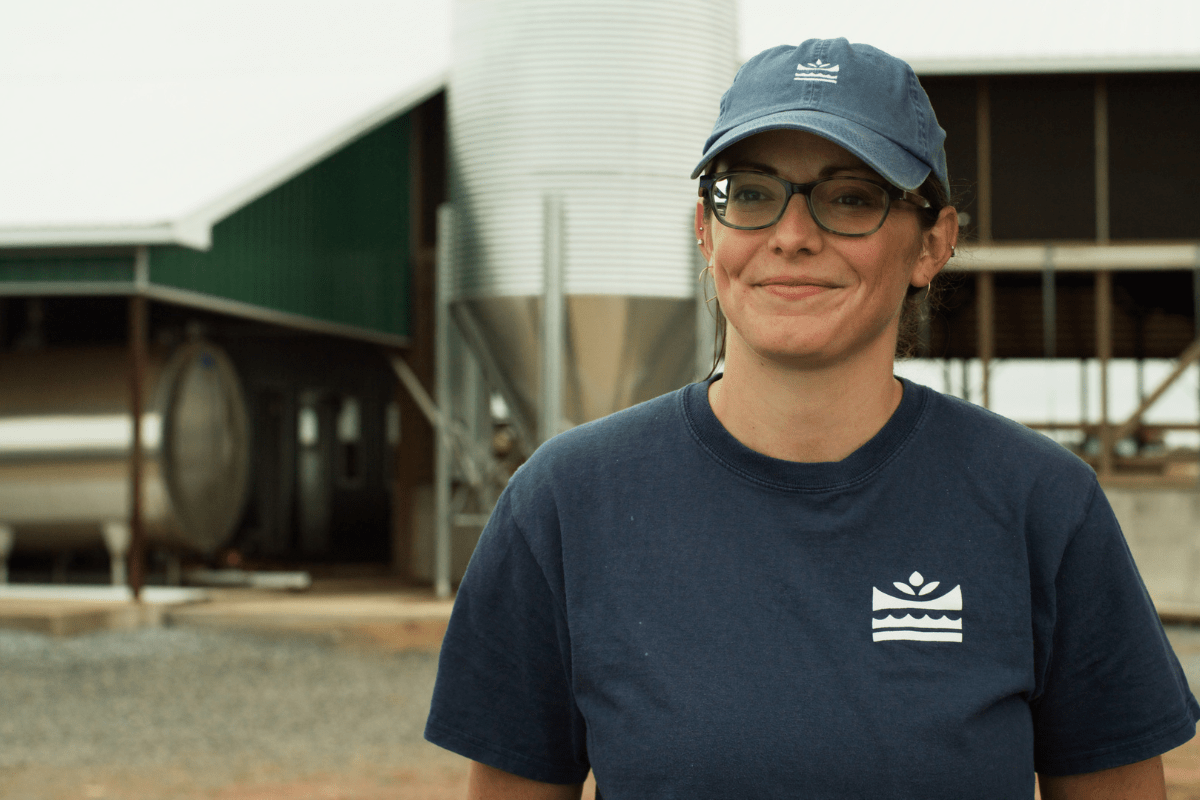
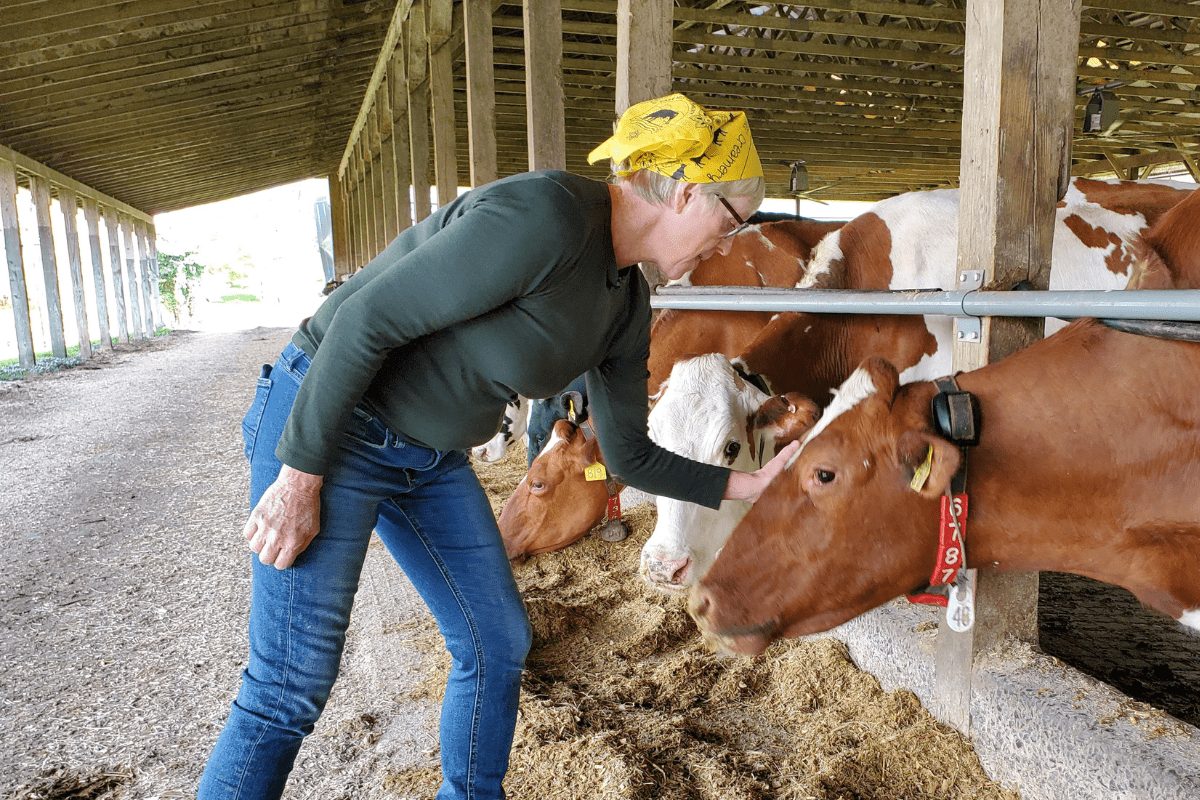
Natasha Rathlev of Sustainable Chesapeake helps farmers navigate conservation projects.
Together, these partners make it easier for farmers to adopt practices that improve both their farms and the environment while reducing stress and uncertainty.
Supporting Farm Families
Dairy farming is demanding work. Farmers are caretakers of their land and animals. These responsibilities leave little time for sorting through grants, managing paperwork, or coordinating conservation contractors.
“Dairy farmers wear many hats. They’re parents, community members, and caretakers of the land,” Rathlev notes. “Our goal is to support them so they can continue doing what they do best.”
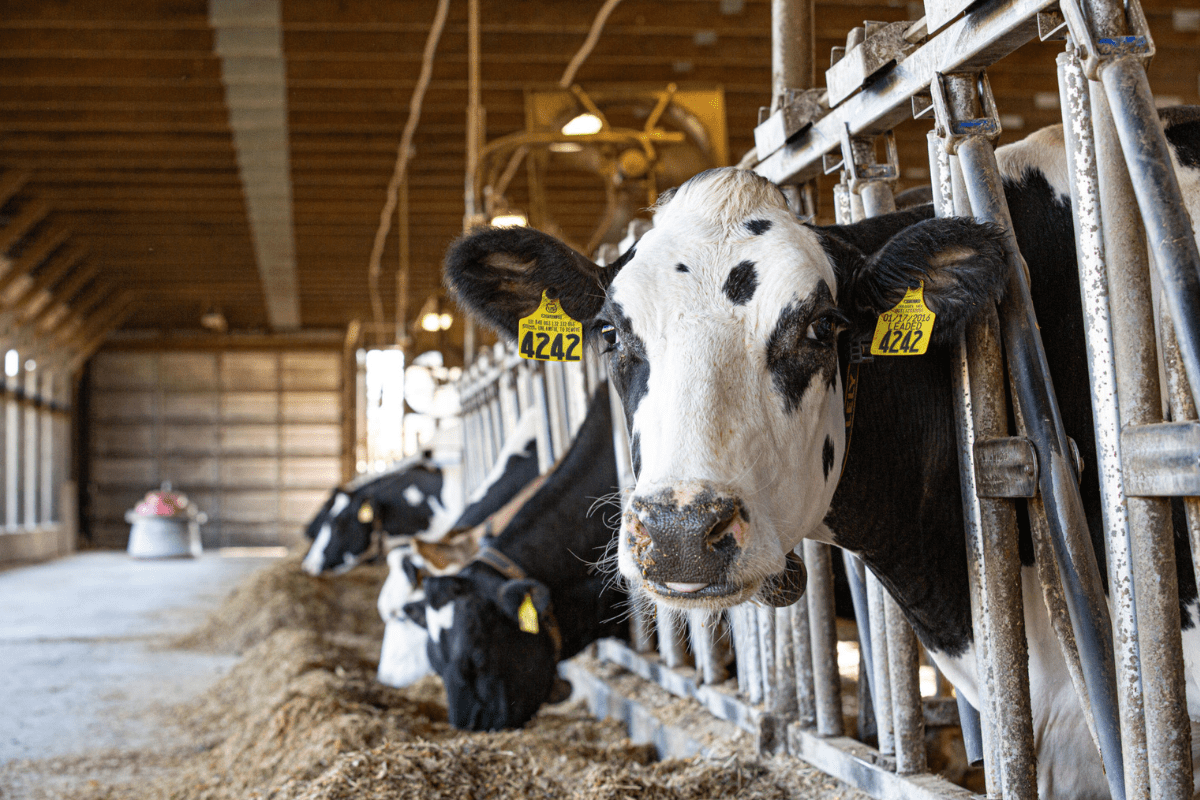
Partners help farmers consider changes they’ve long imagined but never had the time, money, or technical expertise to explore. A new manure storage facility, for example, allows farmers to apply nutrients to crops at the right time, supporting plant growth and soil health and reducing the chance of precious nutrients washing off farm fields. A bedded pack barn is a spacious, well-bedded area where cows can lie comfortably on materials like straw or sawdust, which are added regularly to keep the surface clean and dry. It gives cows a clean, comfortable resting space while keeping manure contained and protected from rainfall. A conservation nutrient management plan helps ensure fields get the right amount of nutrients for crops to grow, no more and no less.
Many of these improvements make daily work more efficient by reducing the time and labor required for routine tasks. Updated barns, improved cow housing, and modern manure management systems help farmers spend less time on high-maintenance work and more time focused on their animals, land, and families.
“These projects help modernize the life of the farm, not just for the animals but also for the families. They can ease daily workloads and give producers more flexibility in their day, which can make a meaningful difference for family time,” says Klingler.
Listening First, Solving Problems Together
Each farm is unique, which means each project starts with a conversation. When the Alliance for the Chesapeake Bay visits a farm, they go with a Maola representative who already has a sense for the family’s priorities. Together, they begin by talking through how the operation is running. “What’s going well? Where are the challenges? We listen, and then we think through ways we can help,” says Anderson.
This dialogue ensures projects aren’t templates but are tailored solutions grounded in what the farmer wants to achieve.
Through the Alliance for the Chesapeake Bay, a riparian buffer is often added as part of the overall conservation plan, enhancing stream protection while complementing the farm’s goals. And for younger or newly established farmers, who may not yet have the equity and resources to take on large projects, these partnerships make improvements possible that strengthen the operation for the next generation.
“Sustainability isn’t just about land and water,” Klingler says. “It’s about the whole picture of people, animals, and the future we’re building together.”
Progress That Builds on Itself
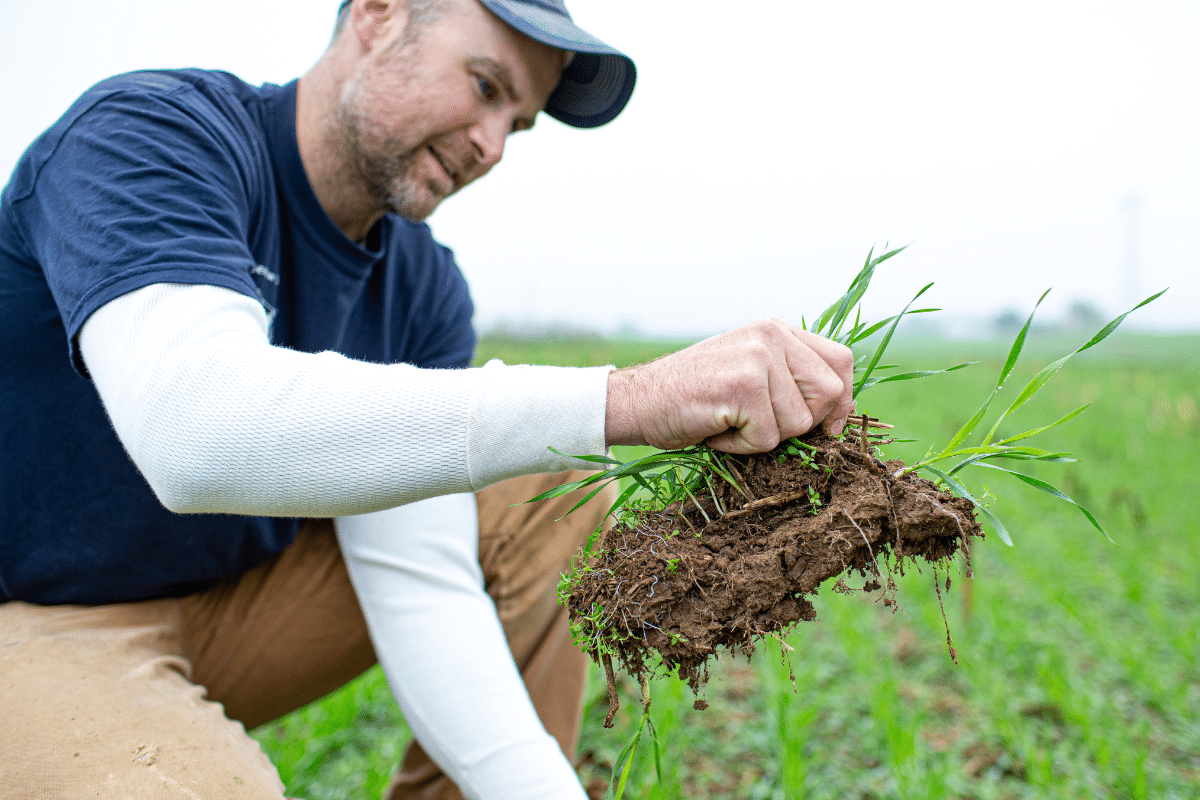
One of the most encouraging signs partners see is that once a conservation project is complete, many farmers ask what they can do next. “That’s something we love to hear,” Anderson says. “Stacking best-management practices like buffers, cover crops, and modernized barns builds toward full-farm conservation and long-term resilience.” Cover crops are planted after the main crop is harvested, and they serve as a protective layer that reduces soil erosion and keeps the soil healthy for future growing seasons.
Rathlev has seen the same enthusiasm. “There’s so much pride in the products farmers create and in the land that supports those products. When we work together, we’re helping ensure those resources are protected not just for today, but for tomorrow’s generation.”
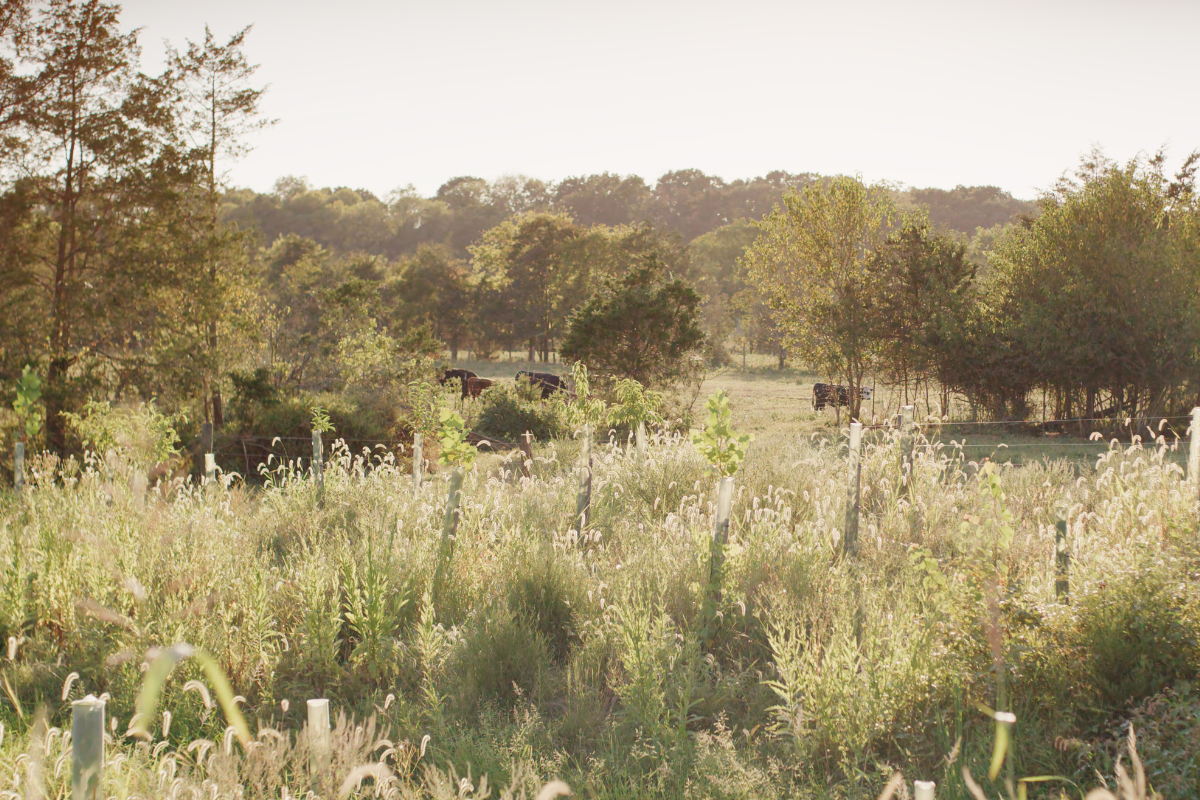
Agricultural land plays an important role in Chesapeake Bay watershed protection.
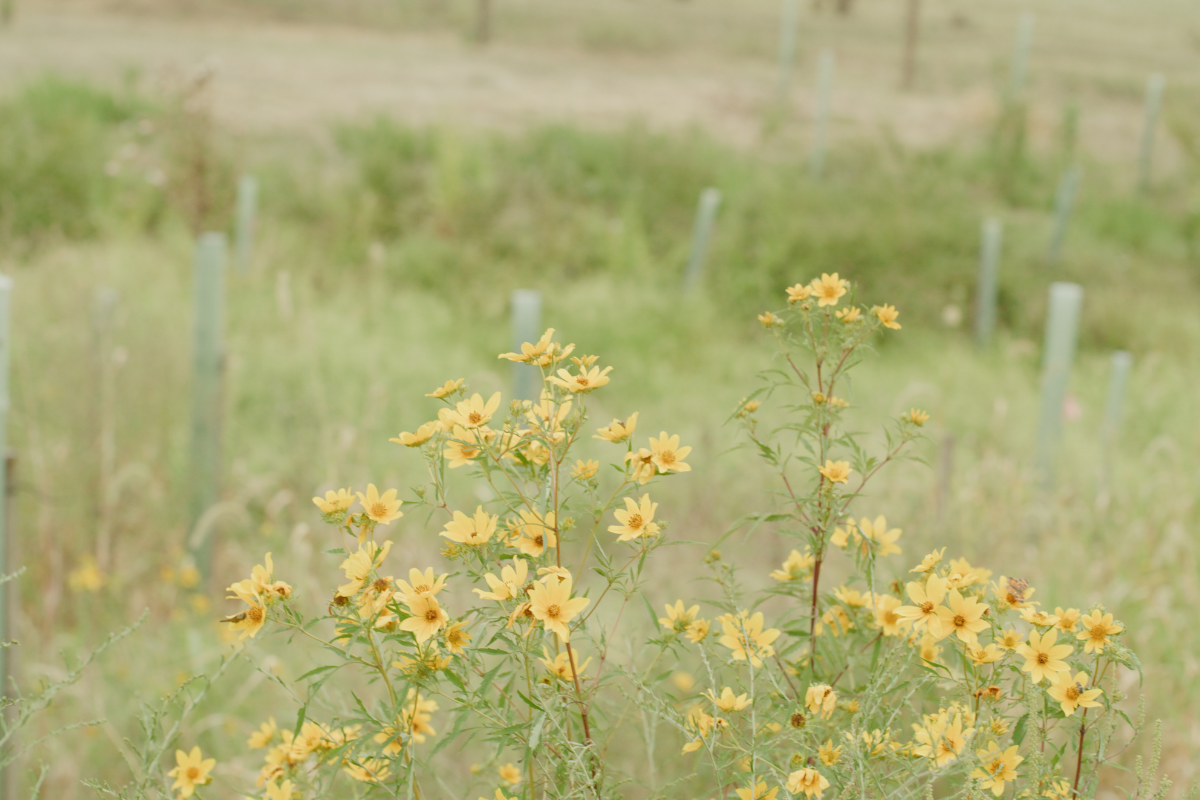
Flowering plants along streams support pollinators and add diversity to the landscape.
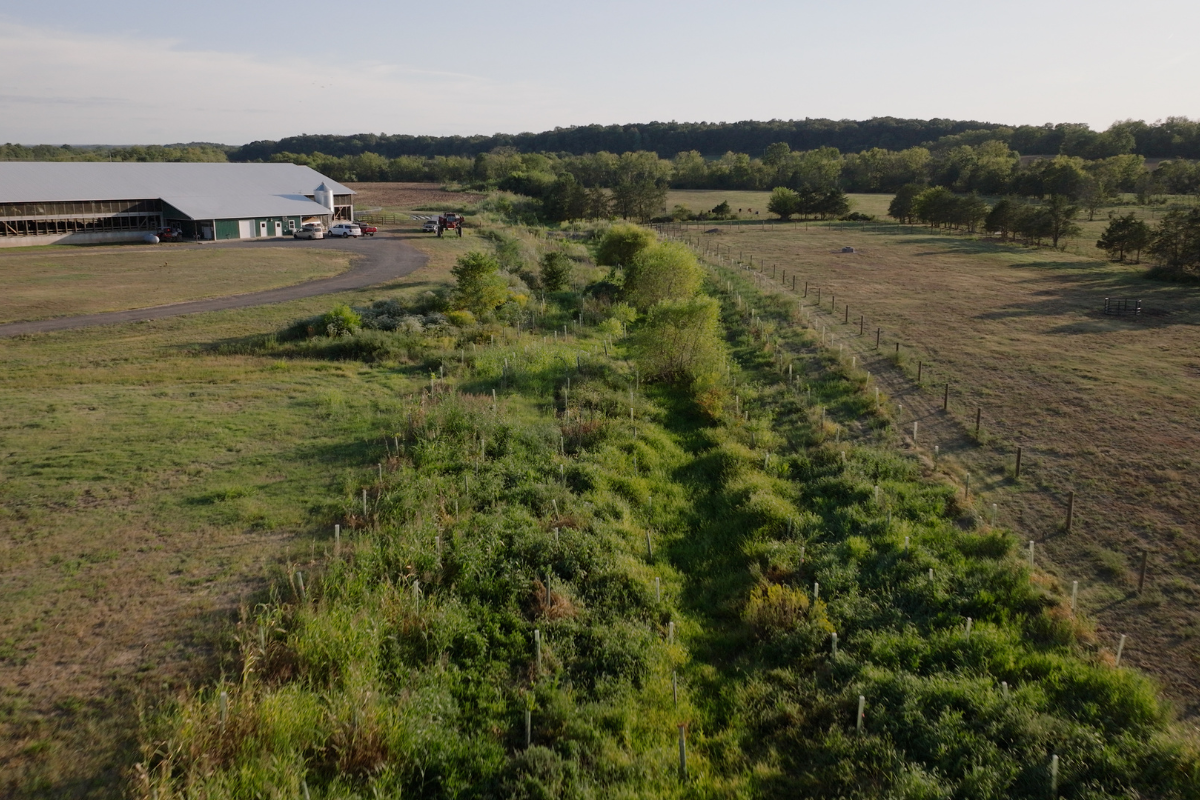
Trees and vegetation in a riparian buffer help strengthen soil and reduce erosion.
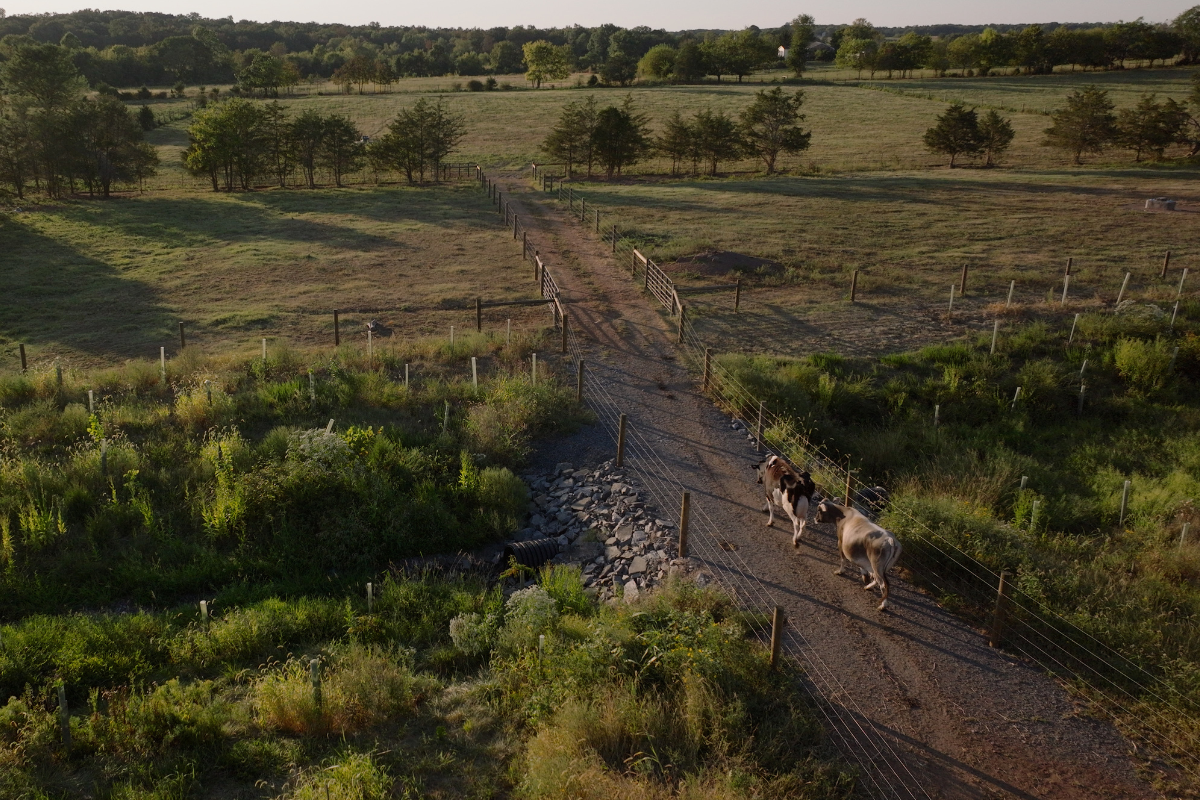
A managed cow path helps guide movement while protecting nearby soil and water.
A Shared Vision for the Future
What ties this collaboration together is mutual respect. Environmental partners value the experience and insight of dairy farmers, and farmers appreciate having trusted guides to help them try something new, reduce stress, and make lasting improvements.
“These partnerships are essential,” Klingler says. “None of us could achieve what we’ve achieved alone.”
Across the Chesapeake Bay watershed, that teamwork is creating clean water, healthy soil, thriving wildlife, and a bright path forward for the next generation of dairy farmers. It’s a reminder that sustainable progress is not about sweeping change overnight. It’s about working side by side, learning from one another, and building solutions that last.