Quick Links
Interested in a specific section? Click the links below to jump directly to those resources.
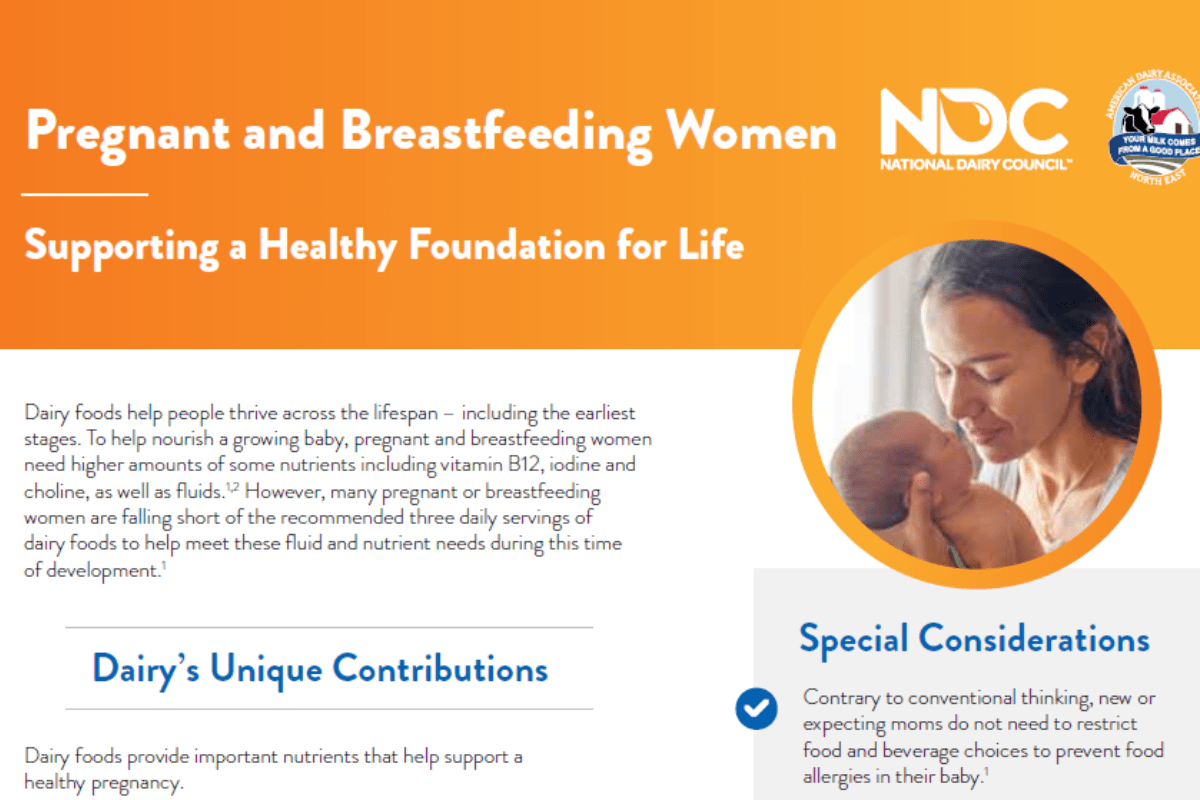
Dairy During Pregnancy
Including dairy in your diet every day can significantly impact your child’s brain development, bone strength, and immune system before they even take their first steps.
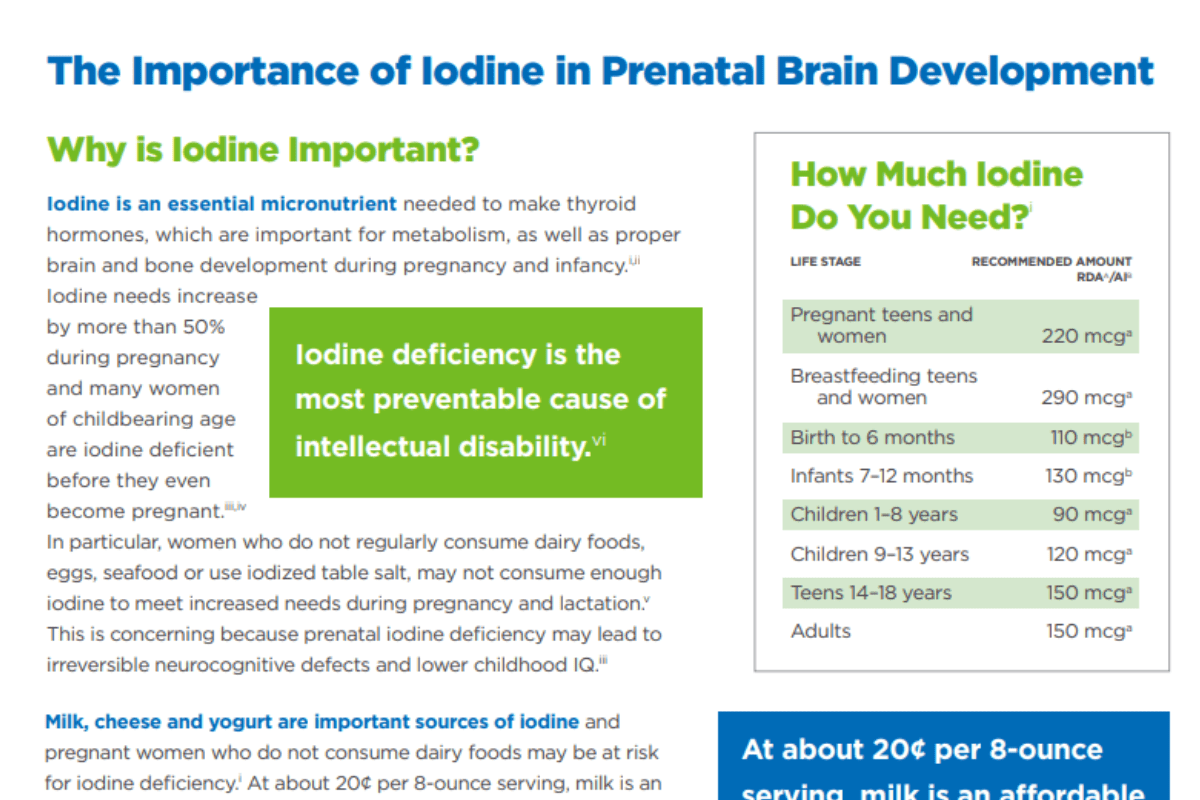
The current Dietary Guideline for Americans identify iron, folate, choline and iodine as specific essential nutrients needed for pregnancy and lactation. Vitamin B12 deficiency may be of concern for young women of reproductive age.
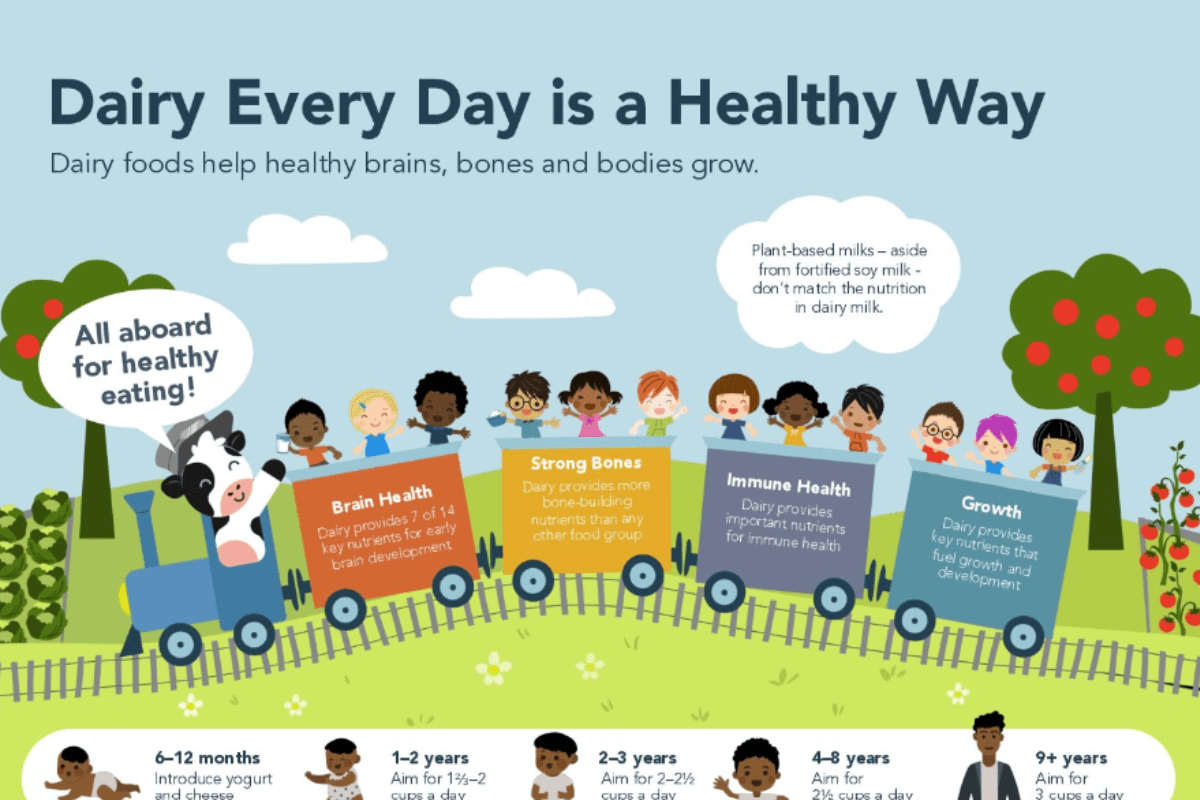
According to the American Academy of Pediatrics, dairy provides 7 of the 14 nutrients important for early brain development.
The Importance of Dairy for Women of Color During Pregnancy
 Nutritional equity is vital for maternal and infant health. Women of Color can face unique health disparities and higher rates of certain nutrient deficiencies, making a nutrient-rich diet including dairy even more critical.
Dairy foods like milk, yogurt, and cheese provide a powerful package of essential nutrients that can help address these disparities head-on. They are a key source of iodine, choline, and vitamin B12, nutrients we will explore below, which are crucial for fetal brain development and are often found in lower levels in populations with lactose intolerance or lower dairy intake.
By intentionally including dairy, Women of Color can take a significant step towards closing nutrient gaps and building a strong foundation for their baby’s health.
Hear from experts and other moms of color about the role of nutrition in their pregnancy journey:
Nourish the Journey Video Series
Enjoying Dairy with Lactose Intolerance
It’s a common concern: many women, particularly Women of Color, avoid dairy because they experience discomfort from lactose intolerance. The good news is that with a few smart strategies, you can still benefit from the powerful nutrients in dairy during your pregnancy.
What is Lactose Intolerance?
Lactose intolerance is the inability to fully digest lactose, the natural sugar found in milk. It’s caused by a deficiency of lactase, the enzyme needed to break down lactose. It is important to know that lactose intolerance is not an all-or-nothing condition. Most people can tolerate some amount of lactose.
Below are a few tips for including dairy into your diet.

Pregnancy Note: Many women find their tolerance for dairy changes during pregnancy. It’s worth trying small amounts to see how you feel. Your and your baby’s health is worth the experiment!
Key Nutrients During and After Pregnancy
Proper nutrition during the postpartum period is essential for supporting a mother’s recovery, maintaining energy levels, and helping her produce nutrient-rich breastmilk for her baby.
Dairy for Postpartum Health and Breastfeeding
 Dairy foods are rich in 13 essential nutrients including calcium, protein, vitamin D and vitamin B12. These key nutrients support bone health, muscle repair, and immune function, all of which are vital as the body heals after childbirth. A well-balanced diet that includes dairy can also help combat postpartum fatigue, regulate mood, and reduce the risk of nutrient deficiencies.
Ensuring adequate intake of nutrients like Vitamin D and B12 from dairy can be a supportive part of a holistic postpartum wellness plan.
And with time often in short supply, dairy foods offer a quick and nourishing solution. Whether it’s a slice of cheese, a cup of yogurt with berries, or a glass of milk while baby naps, dairy can easily fit into an unpredictable postpartum schedule.
Breastfeeding and Dairy
Consuming sufficient dairy products during breastfeeding helps ensure that you receive the nutrients needed to support lactation, while also providing infants with high-quality breastmilk that supports growth and cognitive development.
Many of the nutrients critical during pregnancy remain just as important while breastfeeding. The baby’s brain continues to develop more rapidly during this time than any other stage in life.
Among these key nutrients, iodine and vitamin B12 in breastmilk are directly influenced by diet. If intake is too low, the levels in breastmilk may be insufficient to meet baby’s needs. Choline also plays a vital role – levels in breastmilk increase rapidly after birth and remain stable thereafter. However, preterm breastmilk contains lower levels of choline. To have sufficient levels of these nutrients, it is important to have a balanced diet that includes dairy products, protein-rich foods, eggs, fish, and iodized salt.
Dairy for Infants and Toddlers
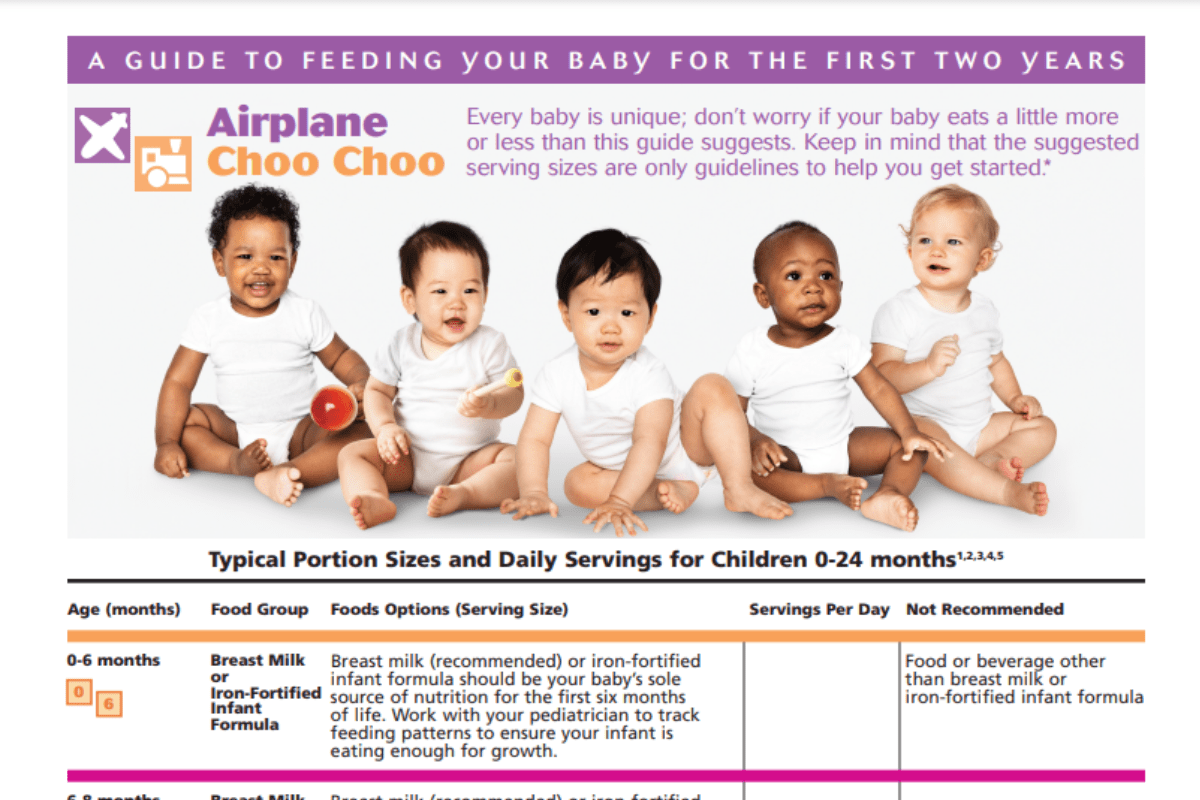
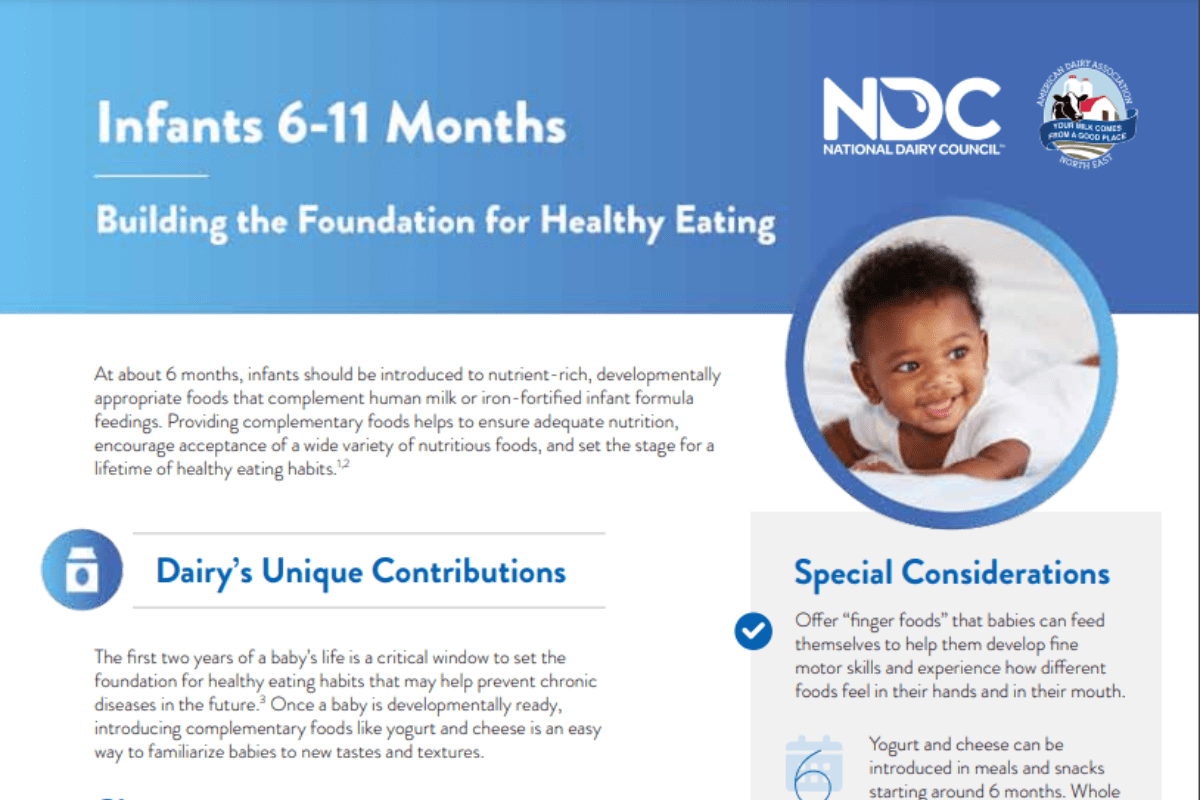
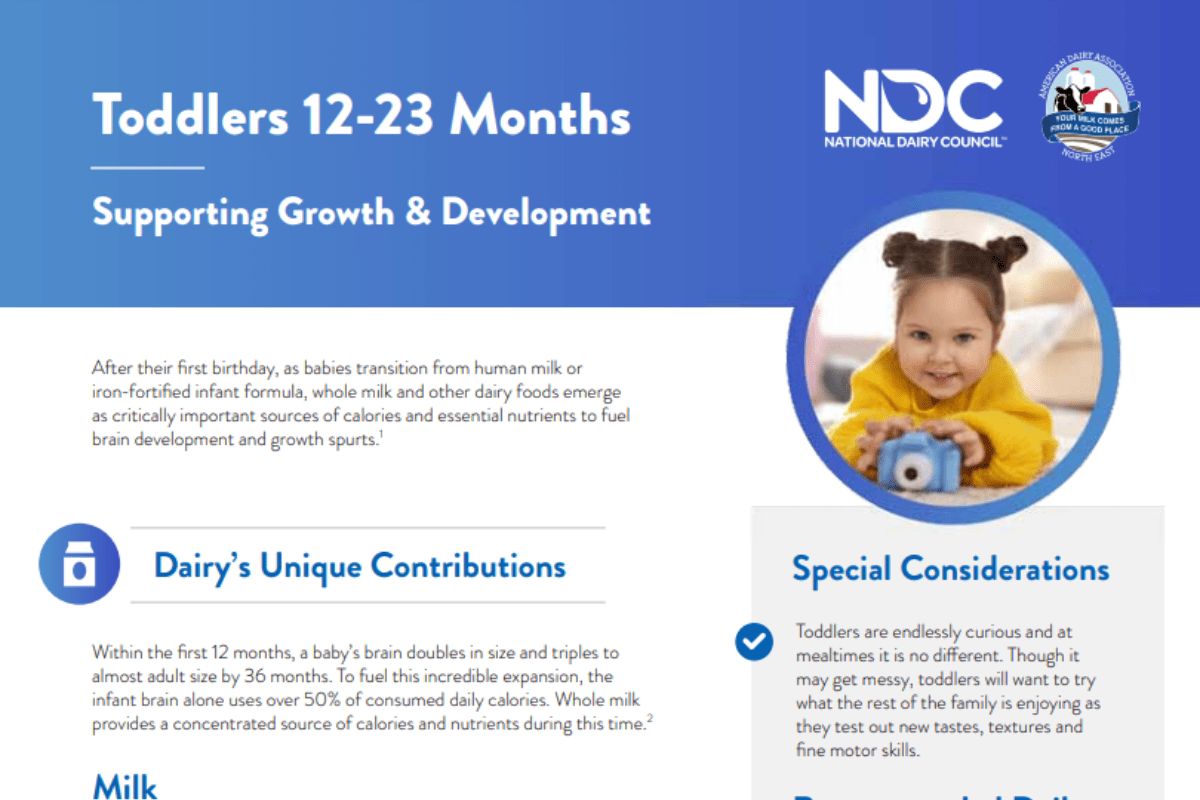
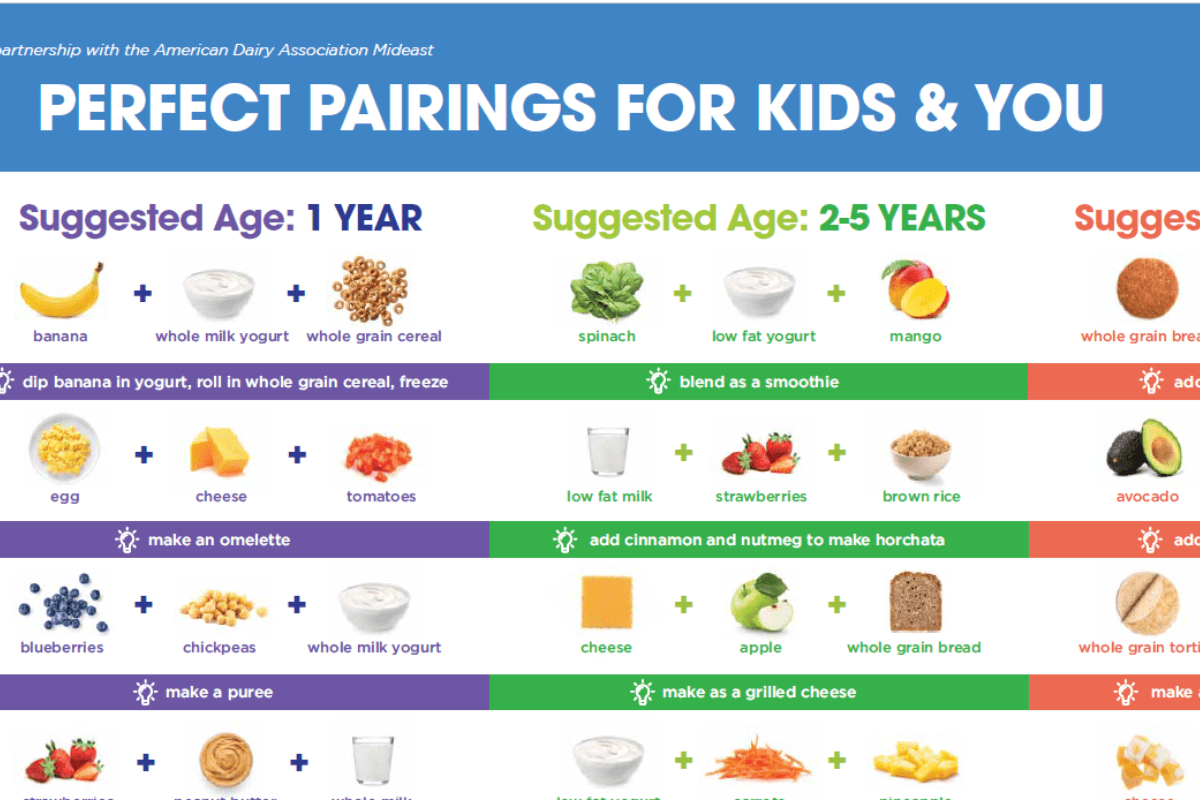
Dairy continues to nourish babies well after birth. From birth to age two, a child’s brain continues to grow and develop, laying the foundation for lifelong health. From cognition and a strong immune system to optimal growth and development, dairy foods paired with other nutritious foods, like fruits, veggies and whole grains, can provide an overall healthy diet that growing children need to thrive.
Bottom line, dairy helps build bodies, bones, and brain.


When to Introduce Dairy
Always consult your child’s healthcare provider before introducing solid foods to ensure it aligns with their developmental needs.
Dairy-licious Recipe Ideas
Need some recipe inspiration? These are perfect for mom-to-be, moms, and toddlers!



Resources
See below for a variety of health resources focused on dairy’s role in pregnancy and the first two years of life for infants and toddlers.